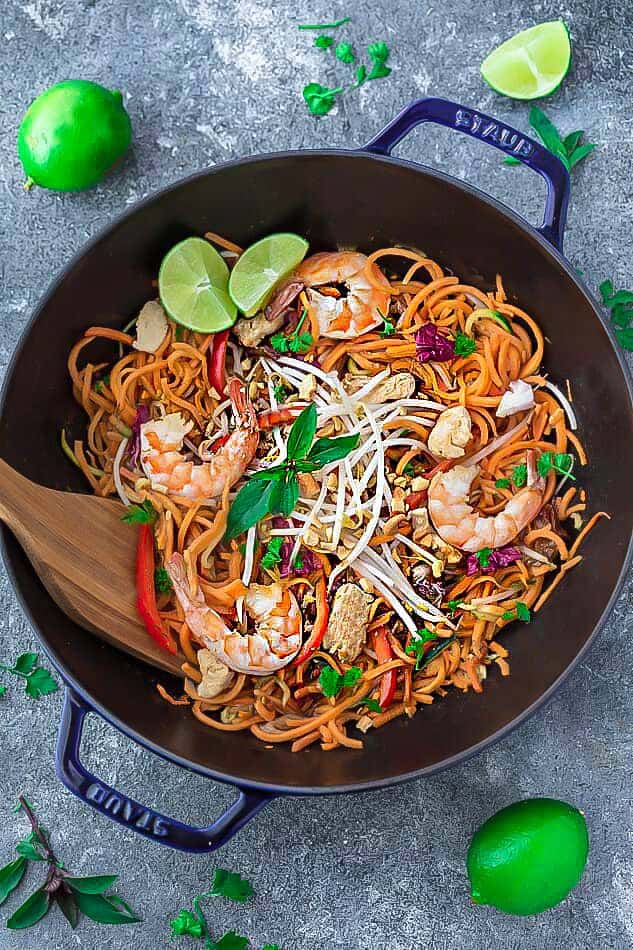
There are few dishes that inspire the kind of fervent devotion and constant craving that Pad Thai does. That irresistible symphony of sweet, sour, salty, and spicy flavors, intertwined with chewy noodles and crunchy peanuts, holds a special place in the hearts (and stomachs) of food lovers worldwide. For many, it's more than just a meal; it's a comforting ritual, a go-to treat, and even, for some, a daily obsession.
This deep affection often leads to a quest for the perfect plate, a search that can be fraught with inconsistencies. Whether you’re like the friend who would literally stock up on local Pad Thai from home to take back to college, or someone who's sampled countless versions only to be disappointed, you understand the struggle. The variation in quality from one eatery to another can be startling, making it incredibly difficult to find that truly spectacular rendition outside of a rare, cherished spot—like the legendary Curry Bowl in Fernie, B.C., a place where even their "do-it-all" menu somehow manages to produce an absolutely amazing Pad Thai.
But what if you could recreate that magic at home? What if you could conjure up a bowl that not only satisfies your craving but also offers a healthier, easier twist on the classic? The answer lies in a single, transformative ingredient: sweet potato noodles. Embracing a Simple Sweet Potato Noodle Pad Thai isn't just about making a meal; it's about unlocking a new level of culinary delight that will have you reaching for your wok several times a week, perhaps even for dinner and then again for breakfast the next morning!
The Universal Pad Thai Craving & The Homemade Quest
The allure of Pad Thai is undeniable. It's a dish that transcends cultural boundaries, offering a balanced flavor profile that hits all the right notes. From the first tangy bite to the last savory strand, it’s an experience that leaves you wanting more. This craving often propels us into our kitchens, determined to capture that authentic taste and texture we love. However, the journey to a perfect homemade Pad Thai can be surprisingly challenging. Many home cooks discover, often through trial and error, how easy it is to get it wrong. The noodles can be overcooked and mushy, the sauce might lack depth, or the balance of flavors can be just slightly off, leading to a pale imitation of the dish you adore.
The quest for a consistently excellent homemade version often begins with trying to replicate the traditional rice noodle base. But, as anyone who has wrestled with sticky, clumpy, or soggy rice noodles can attest, achieving that ideal al dente chewiness at home can be an art form in itself. The pursuit of perfection, or at least a highly satisfying substitute, often leads adventurous cooks to experiment with various alternatives, hoping to stumble upon that one ingredient that makes all the difference.
Why Traditional & Zucchini Noodles Fall Short for Homemade Pad Thai
When embarking on the journey of homemade Pad Thai, the noodle choice is paramount. Traditional rice noodles, while authentic, can be tricky. Overcooked, they turn into a gelatinous mess; undercooked, they're tough and unyielding. Achieving that perfect, springy texture at home can feel like a culinary tightrope walk. This often leads to frustration, especially when striving for a weeknight-friendly meal.
In search of a simpler, healthier alternative, many home cooks, myself included, first turn to vegetable noodles. Zucchini noodles, or 'zoodles,' were a popular early contender. They’re undeniably low-carb and easy to spiralize, but they come with their own set of challenges when used in a hot dish like Pad Thai. The biggest issue? Water content. Zucchini releases a significant amount of water when cooked, often leaving your Pad Thai with a watery, diluted sauce and soft, mushy noodles that lack the satisfying chew and structural integrity needed to hold up against the robust flavors of the dish. While good in certain applications, zucchini noodles often fall short of delivering that truly transformative Pad Thai experience.
The Sweet Potato Noodle Revelation: A Game Changer
It was through this process of experimentation and mild disappointment that a culinary "lightbulb moment" occurred for many: sweet potato noodles. This often-overlooked alternative has emerged as the unequivocal champion for homemade Pad Thai, offering a distinct advantage over both traditional rice noodles and their zucchini counterparts. The transformation they bring to your dish is nothing short of remarkable, making it easier than ever to enjoy a truly spectacular Low-Carb Sweet Potato Pad Thai: Healthy, Delicious, and Addicting whenever the craving strikes.
So, what makes sweet potato noodles so revolutionary for a simple sweet potato noodle pad thai?
- Perfect Texture: Unlike zucchini, sweet potato noodles rarely get watery. They maintain a firm, yet tender bite, providing a satisfying chew that mimics the best qualities of traditional noodles without the fuss. While they may fall apart a little more than a sturdy rice noodle, this slight 'give' actually contributes to their charm, making them incredibly "addicting" and easy to slurp up. They absorb the sauce beautifully without becoming soggy.
- Flavor Harmony: This is where sweet potato noodles truly shine. Their natural, earthy sweetness is a perfect complement to the classic Pad Thai flavor profile—the tangy tamarind, salty fish sauce, fiery chili, and bright lime. Instead of conflicting, the sweetness of the potato enhances and balances the other elements, creating a more complex and harmonious taste sensation.
- Nutritional Powerhouse: Beyond their culinary attributes, sweet potato noodles bring a wealth of health benefits. They are naturally low-carb compared to rice noodles, rich in vitamins (especially A and C), fiber, and antioxidants. This makes your homemade Pad Thai not just delicious, but also a significantly healthier meal option you can feel good about enjoying frequently.
- Ease of Preparation: Sweet potato noodles are incredibly forgiving to cook. They require less precise timing than rice noodles and hold up well to stir-frying. This makes the entire process of creating your simple sweet potato noodle pad thai much more relaxed and enjoyable, even for novice cooks.
With sweet potato noodles, you're not just making a low-carb alternative; you're elevating the entire dish, infusing it with a unique flavor and texture that many find even more appealing than the original. It’s an easy, healthy, and incredibly flavorful way to enjoy your favorite Thai dish at home.
Crafting Your Perfect Simple Sweet Potato Noodle Pad Thai
Now that you understand the magic of sweet potato noodles, let's talk about how to build a truly exceptional simple sweet potato noodle pad thai. The beauty of a homemade version lies in your control over the ingredients, ensuring quality and flavor that rivals the best restaurants.
Essential Ingredients for a Flavorful Sauce
The sauce is the heart of any Pad Thai. Achieving the right balance of sweet, sour, salty, and umami is key. Here’s what you’ll need and some tips:
- Fish Sauce: This is non-negotiable for authentic flavor. Don’t let its pungent smell deter you; it transforms everything it touches. Invest in a good quality brand. While "Thai Kitchen" is widely available and decent, be mindful that some brands might contain a fractional amount of sugar. If you're avoiding sugar entirely, seek out a purer brand or one specifically labeled sugar-free, which may require a special order.
- Tamarind Paste: Provides the characteristic sour tang. Use a seedless, concentrated paste for convenience.
- Sweetener: Palm sugar is traditional, but brown sugar, maple syrup, or even a sugar-free alternative can work to balance the acidity.
- Lime Juice: Freshly squeezed lime juice adds a bright, zesty finish.
- Chili Powder/Sriracha: Adjust to your spice preference. Some prefer a mild Pad Thai, while others crave a fiery kick. You can use anything from a dash of chili powder in the sauce to a generous drizzle of sriracha at the end.
- Garlic & Shallots: The aromatic foundation, lending depth and savory notes.
Protein and Veggies
Customizing your Pad Thai is part of the fun. Chicken is a perennial favorite, adding a lean protein that cooks quickly. Shrimp offers a different texture and flavor, while firm tofu makes for an excellent vegan option. Don't forget the classic accompaniments:
- Protein: Thinly sliced chicken breast or thighs, shrimp, or extra-firm tofu (pressed and cubed).
- Vegetables: Bean sprouts (essential for crunch), green onions, bell peppers, carrots, or even some spinach for added greens.
- Garnishes: Crushed peanuts, fresh cilantro, extra lime wedges, and a sprinkle of chili flakes.
When cooking, ensure your wok or large skillet is hot. Cook your protein first, then add the aromatics and vegetables. The sweet potato noodles should be added towards the end, after being gently softened (either by brief boiling or pan-frying), and then tossed quickly with the sauce to absorb all those incredible flavors without overcooking. This method ensures your Simple Sweet Potato Noodle Pad Thai: Your Easy Homemade Guide comes out perfectly every time.
Beyond the Basics: Tips for Pad Thai Mastery
To truly master your simple sweet potato noodle pad thai, here are some insider tips that elevate the dish from good to absolutely phenomenal:
- Spiralizing Smart: A good quality spiralizer is your best friend here. Choose medium-sized sweet potatoes for easier spiralizing. You can prepare the noodles in advance and store them in the fridge for a couple of days.
- Don't Overcrowd the Pan: Cook your Pad Thai in batches if necessary, especially if you're making a large portion. Overcrowding cools down the pan, leading to steaming rather than stir-frying, which can make ingredients mushy.
- Taste and Adjust the Sauce: This is crucial. Before adding it to the wok, taste your Pad Thai sauce and adjust the balance of sweet, sour, and salty. A truly great Pad Thai sauce sings with all these elements.
- Noodle Cooking Time: Sweet potato noodles cook relatively quickly. They don't need to be boiled until completely soft; a slight al dente texture is ideal as they will continue to soften in the hot pan with the sauce.
- Garnish Generously: Garnishes are not just for show! Fresh cilantro, crunchy peanuts, and a squeeze of fresh lime juice right before serving add essential layers of flavor and texture that complete the dish.
- Make It Your Own: While the core elements are important, feel free to experiment. Add different vegetables, switch up your protein, or play with the spice level. The beauty of homemade is its adaptability.
- Embrace the Addiction: Don't be surprised if this becomes your new favorite go-to meal. The ease of preparation, the incredible flavor, and the healthy profile of a Low-Carb Sweet Potato Pad Thai: Healthy, Delicious, and Addicting make it a dish you'll want to enjoy frequently. Its addictiveness is a testament to its deliciousness!
This simple sweet potato noodle pad thai is not just a recipe; it's an experience that transforms how you think about homemade Thai food. It's about finding joy in healthy eating without sacrificing flavor or satisfaction, proving that your culinary adventures can be both easy and extraordinarily rewarding.
In conclusion, the journey to a truly satisfying homemade Pad Thai often leads through various noodle experiments, but it consistently finds its triumphant end with sweet potato noodles. Their unique texture, complementary sweetness, and robust nutritional profile elevate this beloved Thai dish to new heights, making it accessible, healthier, and unbelievably delicious right in your own kitchen. Whether you’re seeking a quick weeknight meal, a healthier alternative, or simply a consistently amazing Pad Thai that rivals your favorite takeout spot, embracing the simple sweet potato noodle pad thai is a decision your taste buds will thank you for, meal after delicious meal. Say goodbye to watery noodles and imbalanced sauces, and hello to your new favorite obsession!
